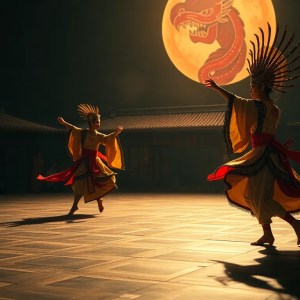
The Art of Storytelling: Ukiyo-e and Japanese Legends
1. Introduction to Ukiyo-e
Ukiyo-e, which translates to “pictures of the floating world,” is a genre of Japanese woodblock prints and paintings that flourished from the 17th through the 19th centuries. This art form captured the transient beauty of everyday life, landscapes, and kabuki actors, serving as a window into the cultural milieu of the Edo period.
Historically, Ukiyo-e emerged alongside the rise of urban culture in Japan, particularly in Edo (modern-day Tokyo). It played a significant role in democratizing art, allowing the common people access to beautiful imagery that was previously reserved for the elite. Ukiyo-e is not only a visual art form but also a significant cultural artifact that reflects the values, beliefs, and stories of its time.
2. The Role of Storytelling in Japanese Art
Storytelling has long been an essential part of Japanese culture, permeating various art forms, including literature, theater, and visual arts. In Japan, narratives are often intertwined with art, creating a rich tapestry of folklore and mythology.
Visual art in Japanese culture serves as a powerful medium for conveying narratives. Through imagery, artists can depict complex stories, evoke emotions, and communicate moral lessons. This practice not only entertains but also preserves cultural heritage, making art a vital part of storytelling traditions.
3. Ukiyo-e as a Medium for Legends
Ukiyo-e has been instrumental in representing various popular legends and folktales. Many prints depict stories from classical literature, historical events, and mythical narratives. Some notable legends illustrated in Ukiyo-e include:
- The Tale of the Heike
- The Legend of Momotaro (Peach Boy)
- Urashima Taro
- The Tale of the Bamboo Cutter (Kaguya-hime)
The connection between folklore and visual representation in Ukiyo-e is evident, as artists sought to bring these stories to life through their intricate designs. Each print often encapsulates a moment from a larger narrative, inviting viewers to explore the story further.
4. Notable Ukiyo-e Artists and Their Stories
Several artists have left an indelible mark on the Ukiyo-e tradition, each contributing unique interpretations of legends:
Katsushika Hokusai
Hokusai is perhaps the most famous Ukiyo-e artist, known for works like “The Great Wave off Kanagawa” as well as prints depicting scenes from the “Tale of the Heike.” His ability to convey movement and emotion in his prints has made his work timeless.
Ando Hiroshige
Another prominent figure, Hiroshige, is renowned for his landscape prints. His series “The Fifty-Three Stations of the Tōkaidō” captures the beauty of the journey between Edo and Kyoto, reflecting both the physical and metaphorical journey of life, often intertwined with legends and folklore.
These artists not only depicted legendary themes but also influenced generations of artists, leaving behind a legacy that continues to resonate today.
5. Iconic Themes in Ukiyo-e and Their Mythical Origins
Ukiyo-e prints often explore various themes that are rooted in Japanese mythology:
- Nature: Many prints depict landscapes, showcasing the spiritual connection between humans and nature.
- Kabuki: Theatrical performances and kabuki actors are frequently represented, highlighting the art of storytelling through performance.
- Supernatural Beings: Legends of yokai (spirits or demons) and other mythical creatures are common, embodying the fears and fascinations of the culture.
These themes not only reflect Japanese mythology but also serve as a reminder of the cultural narratives that shape societal values and beliefs.
6. The Influence of Ukiyo-e on Modern Storytelling
The influence of Ukiyo-e extends into contemporary art and media. Modern artists and filmmakers continue to draw inspiration from these traditional prints, adapting legends into new formats:
- Animation: Films like Studio Ghibli’s “Spirited Away” incorporate elements of folklore and mythical creatures reminiscent of Ukiyo-e.
- Graphic Novels: Manga artists often reference Ukiyo-e styles and themes, merging traditional storytelling with modern narratives.
- Fashion and Design: Contemporary fashion designers utilize Ukiyo-e motifs in their collections, blending past and present aesthetics.
This adaptation of legends demonstrates the enduring power of storytelling and the relevance of Ukiyo-e in today’s cultural landscape.
7. Preservation and Revival of Ukiyo-e Techniques
As interest in traditional art forms resurfaces, there are ongoing efforts to preserve and revive Ukiyo-e techniques. These efforts include:
- Workshops: Various workshops across Japan teach traditional Ukiyo-e printing techniques to new generations of artists.
- Exhibitions: Museums regularly host exhibitions showcasing Ukiyo-e prints, educating the public about their history and significance.
- Restoration Projects: Initiatives aimed at restoring old prints ensure that these cultural artifacts are preserved for future generations.
Such endeavors highlight the commitment to keeping this art form alive and relevant in contemporary society.
8. Conclusion: The Enduring Power of Ukiyo-e in Japanese Culture
In summary, Ukiyo-e serves as a vital medium for storytelling, encapsulating the essence of Japanese legends and folklore. Its significance in art and culture cannot be overstated, as it preserves narratives that have shaped Japanese identity over centuries.
As we reflect on the ongoing relevance of these legends in contemporary society, it becomes clear that the art of Ukiyo-e will continue to inspire and connect generations through its powerful storytelling tradition.